

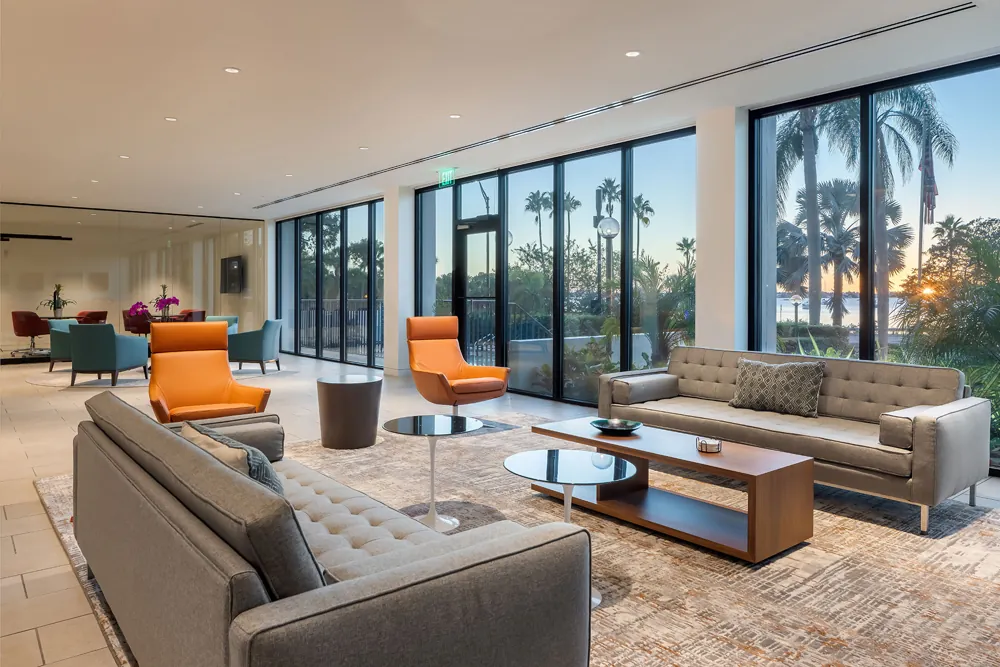
A hospitality construction company helps hotels, resorts, restaurants, entertainment venues, and guest-facing properties renovate without allowing construction activity to overwhelm the experience guests expect. The right project strategy protects access, controls noise and visual disruption, sequences work around occupancy and service, and returns finished areas to use on a schedule the property can operate around. For hospitality owners, that is the difference between a needed improvement that strengthens the business and a renovation that creates avoidable revenue and reputation risk.
Hospitality renovations are not simply construction projects with attractive finishes. They happen in spaces where guests make immediate judgments about comfort, access, cleanliness, service, safety, and brand quality. A lobby under renovation, a restaurant with changing circulation, a hotel floor with active work nearby, or an amenity area temporarily offline can affect revenue and reputation long before the project is complete. Every decision about work hours, barriers, deliveries, phasing, temporary signage, and staff communication can influence whether guests experience the property as professionally managed or disrupted.
For hospitality businesses, renovation is often a necessary investment in competitiveness. Guest expectations evolve quickly, brands update standards, systems age, and customer preferences change. A hotel may need refreshed rooms, a reconfigured lobby, improved amenities, modernized meeting space, or more efficient back-of-house functions. A restaurant may need an upgraded kitchen, new dining layout, improved bar area, refreshed finishes, or better service flow. A resort may need work that touches rooms, pools, public spaces, landscaping, food service, and guest circulation. The value of these improvements depends on how well they are delivered around ongoing operations.
At Magnum Builders, we approach commercial work through General Contracting, Construction Management, Design-Build, preconstruction, and continuing contract capabilities. That range helps us plan hospitality renovation projects around schedule, budget, operational continuity, trade coordination, procurement, and phased turnover. We understand that the project must support more than construction milestones. It must help owners protect occupancy, service standards, guest access, staff performance, and the long-term value of the property.
How can a hotel or restaurant renovate without disrupting guests?
Hotels and restaurants can remain operational during renovation when the work is divided into phases, public routes stay clear and safe, disruptive activities are scheduled around guest and service hours, and each completed area is cleaned, inspected, and returned to use before the next phase begins. The construction plan should account for occupancy, events, food service, deliveries, staffing, and access before work starts—not after disruption affects guests.
This approach is consistent with documented hospitality renovation practice in public-sector projects. The National Park Service’s multiphase Ahwahnee Hotel renovation included upgrades to the dining room, egress paths, kitchen infrastructure, accessibility, fire protection, alarms, sprinklers, and HVAC, with the stated goals of improving visitor comfort and visitor and employee safety while protecting the property’s historic value.
A hospitality construction company leads the planning and execution of renovations, expansions, upgrades, and new construction for properties where guest experience is central to business performance. This work can include hotel guestroom renovations, lobby and common-area improvements, restaurant buildouts, kitchen upgrades, resort amenity work, bar and lounge renovations, meeting and event-space updates, exterior improvements, building-system replacements, and larger commercial expansions. The contractor coordinates the people, materials, schedules, safety procedures, and logistics required to deliver the work in an active, customer-facing environment.
The role begins before crews arrive. A capable hospitality general contractor helps the owner define the scope, assess existing conditions, identify risks, develop a budget, build a schedule, review access and operational needs, and determine whether the work should be phased. This early planning matters because hospitality projects are often tied to seasonal demand, group bookings, events, brand requirements, staffing, and revenue goals. A construction plan that ignores those factors can create disruption that affects the business more than the renovation itself.
During the project, the contractor manages subcontractors, procurement, site safety, quality, inspections, deliveries, access, and communication. In an occupied property, the contractor also manages temporary barriers, guest routes, staff routes, work hours, noise control, debris removal, wayfinding, and the sequence in which rooms or public areas are taken out of service and returned to use. The contractor is responsible for making the project feel controlled even when substantial work is occurring behind the scenes.
A general contractor for hospitality also connects the design team to field realities. A desired finish may have a long lead time. A kitchen upgrade may affect mechanical, plumbing, electrical, and fire-protection systems. A new lobby layout may require changes to circulation, security, technology, and accessibility. A restaurant expansion may need to coordinate with landlord rules, existing utilities, guest seating, and service routes. By bringing construction knowledge into planning, the contractor helps owners make decisions with a clearer understanding of cost, schedule, and operating impact.
Hospitality construction is different because the property is both a jobsite and a live business. Guests, diners, visitors, event attendees, vendors, and staff continue to form opinions about the property while renovation activity is underway. The construction team cannot focus only on completing the physical scope. It must also consider what guests see, hear, smell, and experience when they enter the property, move through public areas, use amenities, or interact with staff.
The business consequences of disruption are immediate. A guest who cannot find the entrance, encounters confusing routes, hears excessive noise, or sees poorly managed work areas may choose a different property in the future. A diner who finds a restaurant difficult to access may change plans before even entering. A meeting planner may view temporary disruption as a risk to an event. Staff may struggle to maintain service standards if deliveries, construction access, and work zones interfere with daily routines. These issues make planning and communication part of the construction scope, not separate customer-service concerns.
Hospitality projects also have unique timing pressures. Many properties have high-occupancy seasons, large events, holidays, booked conferences, group arrivals, and periods when certain spaces cannot be closed. A hotel renovation may need to preserve a target number of rooms. A restaurant may need kitchen work scheduled during closed hours or a planned seasonal window. A resort may need amenities available during peak periods. The contractor needs to turn these business constraints into a credible project schedule that protects the areas and dates that matter most.
Brand standards add another layer of complexity. Hotel flags, restaurant concepts, and hospitality operators often have specific requirements for finishes, furniture, fixtures, equipment, signage, lighting, materials, and guest experience. The contractor must coordinate these requirements with procurement, installation sequencing, quality control, and timing. A finished space that does not meet brand expectations may require rework, creating cost and schedule pressure that careful early coordination can help avoid.
Successful hospitality renovation begins with a complete understanding of what the property needs to accomplish. Owners should define whether the project is intended to increase occupancy appeal, modernize a brand, improve guest circulation, update aging systems, expand revenue-generating areas, enhance amenities, improve food-and-beverage operations, or prepare the property for a new market position. These priorities guide decisions when scope, budget, schedule, or phasing options need to be evaluated.
The existing property also needs careful review. Available plans, building records, equipment information, maintenance history, prior renovation documents, site constraints, and known problem areas can help the contractor understand where uncertainty may exist. Existing buildings often contain conditions that are not fully visible before demolition or investigation. Mechanical, electrical, plumbing, structural, technology, and life-safety systems may need evaluation before design choices are finalized. Addressing these questions early gives the project team more options and reduces the risk of a disruptive discovery during a critical phase.
Operational planning is equally important. The contractor should work with property leadership to understand occupancy patterns, event schedules, dining operations, housekeeping routines, staff circulation, loading needs, delivery windows, security requirements, service standards, and guest-access priorities. This information shapes the construction logistics plan. It helps determine which work can occur during the day, which needs to occur overnight, which areas can be temporarily closed, and how the property will communicate changes to guests and staff.
Magnum Builders’ preconstruction approach emphasizes schedules that incorporate client completion requirements, design and preconstruction activities, pricing and contracting, construction tasks, material lead times, trade manpower needs, and Florida weather considerations. For hospitality properties, that type of scheduling discipline supports a renovation plan built around both construction requirements and operating realities. A realistic schedule is not simply a target completion date. It is a coordinated path that explains what decisions, materials, access conditions, inspections, and trade activities must occur to reach that date.
Phased construction allows hospitality properties to renovate defined areas in a sequence while keeping other parts of the business active. Instead of closing an entire hotel, restaurant, or resort, the contractor divides the work into manageable zones, floors, room blocks, guest areas, service spaces, or construction packages. Each phase is prepared, protected, renovated, inspected, cleaned, and returned to service before the next phase begins.
For hotels, phasing may involve guestroom floors, room stacks, lobby zones, meeting rooms, corridors, or amenity areas. The contractor works with management to preserve room inventory, maintain emergency access, coordinate housekeeping, control noise, and keep guests informed. Work may be scheduled around occupancy levels, events, and group commitments so the property can continue to operate while upgrades move forward.
For restaurants, phasing may involve dining areas, bar zones, kitchens, restrooms, entries, patios, or back-of-house spaces. The renovation sequence has to consider food service, health and safety requirements, deliveries, staff routes, utilities, equipment, and customer access. Some work may occur during closed hours, while other work may require temporary service arrangements or a planned short closure. The contractor’s job is to help the owner understand the options and select the sequence that best protects the business.
For resorts and entertainment venues, phasing can be broader and more complex. Pools, fitness areas, spas, event spaces, restaurants, shops, guest rooms, outdoor areas, and support facilities may all affect the visitor experience. A phased plan helps leadership prioritize high-value improvements while maintaining enough active amenities and services to meet guest expectations. It also creates clearer turnover milestones so completed areas can begin contributing value before the entire project is finished.
Phasing must be managed through detailed logistics. Work zones need clear boundaries, temporary barriers, controlled access, safe delivery routes, wayfinding, housekeeping procedures, and protection of adjacent active areas. The contractor coordinates these elements with the property’s operational team so the construction plan fits the reality of daily service.
Scheduling is a revenue-protection tool in hospitality construction. A project that misses a key turnover date can affect room availability, restaurant capacity, event bookings, guest satisfaction, staffing plans, and seasonal performance. For that reason, the schedule has to include more than field tasks. It needs to capture planning decisions, design approvals, permits, long-lead materials, trade availability, inspections, utility work, temporary conditions, cleaning, commissioning, and final turnover.
The contractor begins by identifying the completion requirements that matter most to the owner. A property may need rooms back in service before a major season. A restaurant may need to reopen before a booked event. A resort may need a specific amenity ready for a high-demand period. These dates become major schedule milestones, and the project team works backward to identify the activities that must occur on time to protect them.
Long-lead procurement deserves particular attention. Hospitality projects often rely on specialty finishes, custom millwork, furniture, lighting, kitchen equipment, doors and hardware, fixtures, technology components, and branded materials. If these items are selected or ordered too late, they can hold up a phase even when the rest of the work is complete. Early contractor involvement helps identify procurement risks, confirm specifications, and establish decision deadlines that keep the project moving.
Trade coordination is equally important. Mechanical, electrical, plumbing, framing, finishes, flooring, millwork, technology, fire protection, and specialty trades must work in the proper sequence. The contractor uses coordination meetings, look-ahead schedules, field supervision, and progress tracking to make sure work areas are ready when crews arrive. If an issue arises, the team can assess options early and adjust the plan before a local delay affects the overall project.
A well-managed schedule does not guarantee that no conditions will change. It provides a disciplined way to identify changes, understand their effects, and respond with clarity. For hospitality owners, that visibility supports better decisions about bookings, staffing, marketing, temporary operations, and guest communication.
Guest-focused construction requires the project team to think like the people who use the property. A guest arriving with luggage needs a clear entrance. A diner needs to know whether the restaurant is open and where to go. A visitor attending an event needs safe, understandable access. A family using a resort wants to avoid unexpected noise, dust, blocked paths, or confusing temporary conditions. These experiences are shaped by construction logistics as much as they are by the final design.
The contractor should plan customer-facing conditions intentionally. Temporary barriers should be clean, secure, and appropriate for the property. Signage should help guests find open entrances, amenities, dining areas, restrooms, and routes without creating visual clutter or confusion. Deliveries and debris removal should be scheduled to limit public impact. Noisy, dusty, or disruptive work should be timed around the operating schedule whenever possible.
Communication with staff is also essential. Front-desk teams, restaurant managers, housekeeping, maintenance, event personnel, security, valet, and other employees may need advance notice about changes that affect service. The contractor provides look-ahead information so property leadership can prepare teams, update guests, adjust routes, and manage expectations. When staff know what to expect, they can maintain a more confident and professional guest experience.
Safety is central to this environment. Construction zones must be secured, work areas must be separated from public circulation, tools and materials must be controlled, and emergency routes must remain clear. The contractor coordinates with property management to establish procedures that protect guests, staff, workers, and visitors throughout the project. A controlled environment supports safety, but it also communicates respect for the property and its customers.
Restaurant construction often demands precise coordination because the project can affect food preparation, service flow, customer seating, equipment, utilities, health requirements, and revenue-producing hours. A restaurant renovation may involve a new kitchen layout, upgraded equipment, improved bar service, refreshed dining areas, expanded seating, new finishes, restrooms, patios, lighting, ventilation, or point-of-sale infrastructure. Each of these changes needs to be planned around how the restaurant operates.
Kitchen work is especially sensitive. Mechanical systems, plumbing, gas, electrical service, exhaust, fire protection, refrigeration, equipment installation, and health requirements must be coordinated carefully. The contractor brings the right trade expertise into planning so the design responds to actual system needs and installation conditions. This reduces the risk of discovering late conflicts that delay the reopening or affect the ability to pass inspections.
Service flow matters as much as back-of-house systems. The renovation may change how guests enter, wait, order, dine, pay, and exit. It may affect staff circulation between the kitchen, bar, dining areas, storage, and service stations. A contractor that understands hospitality operations can help coordinate construction so the finished space supports both guest experience and staff efficiency.
When a restaurant remains open during renovation, the phasing plan must be especially clear. Work may be limited to closed hours, off days, defined zones, or a carefully planned temporary service model. The owner needs to know when utilities will be affected, how deliveries will be handled, which areas will be inaccessible, and how the project will affect seating capacity. Clear planning gives the business a better opportunity to protect customer relationships and revenue while necessary improvements are made.
Design-Build can be a strong delivery method for hospitality renovation because it connects design and construction under one coordinated team. Instead of hiring a separate designer and then bringing in a contractor after documents are complete, the owner works with a Design-Build team that brings design professionals, construction managers, estimators, and key trade partners together from the beginning. This helps align brand goals, guest-experience priorities, budget, schedule, and construction logistics earlier in the process.
For hospitality owners, the advantage is clearer communication. The team responsible for construction is involved while design decisions are still being made. If a selected finish affects lead time, installation, maintenance, or cost, the project team can evaluate the issue before it becomes a field problem. If a design choice affects access, phasing, or operational continuity, those impacts can be considered before the property commits to a plan.
Design-Build may also support faster delivery by allowing some activities to overlap when appropriate. Long-lead materials can be identified earlier. Site or enabling work may begin while later details are finalized. Trade input can help confirm installation sequences before construction starts. The goal is not to rush the work. It is to reduce unnecessary gaps and provide the owner with a more integrated way to make decisions.
Magnum Builders identifies Design-Build as a core delivery method and describes it as a single point of responsibility that can help minimize owner risk and reduce delivery schedules by overlapping the design and construction phases. For hospitality renovation projects with tight operating windows, multiple stakeholders, and high guest-experience expectations, this kind of integration can be a meaningful advantage.
Before hiring a hospitality contractor, owners should evaluate relevant experience, planning capability, communication style, scheduling discipline, and operational awareness. A contractor may have broad commercial experience but limited exposure to the demands of guest-facing properties. Owners should look for a team that understands how hotel occupancy, restaurant service, events, property access, guest expectations, staff operations, and brand standards affect construction planning.
The contractor should be able to explain how it develops a schedule, identifies long-lead materials, coordinates trade partners, plans phasing, manages work zones, and communicates with property leadership. It should ask detailed questions about business priorities instead of focusing only on square footage and finishes. The early conversation should show that the team understands renovation as a business decision as well as a construction project.
Budget control also deserves close attention. Owners should understand how estimates are built, what assumptions remain open, how existing conditions will be investigated, and how changes will be managed. A strong contractor provides clear information about scope, procurement, temporary conditions, and risks so the owner can make timely decisions. Transparency is especially valuable in hospitality renovations, where unplanned delays can have a direct effect on revenue and guest service.
Finally, owners should consider the delivery method. Traditional General Contracting can be effective when a complete design is ready for construction. Construction Management can provide early planning and coordination support. Design-Build can be valuable when the owner wants design and construction aligned under a single team. The best choice depends on the project’s scope, schedule, budget, occupancy needs, and operational complexity.
Hospitality renovations are investments in the future of a property. A modernized hotel room, refreshed lobby, more efficient kitchen, upgraded restaurant, improved amenity area, or expanded event space can strengthen guest satisfaction, operational performance, and long-term asset value. The challenge is delivering those improvements without allowing construction disruption to undermine the very experience the project is meant to improve.
A strong hospitality construction company brings structure to that challenge. Through early planning, phased construction, disciplined scheduling, trade coordination, guest-focused logistics, and clear communication, the contractor helps owners renovate with more confidence. The work becomes a controlled process that respects the people using the property every day while advancing the goals that made the investment necessary.
For hotel owners, hospitality operators, restaurant groups, developers, and entertainment venue leaders, the best renovation partner is one that understands both construction and hospitality. When the project is planned around guest experience, operating continuity, and long-term property performance, the finished result is more likely to create lasting value for the business and the guests it serves.
Contact Magnum Builders for Your Hotel and Restaurant Renovation


