

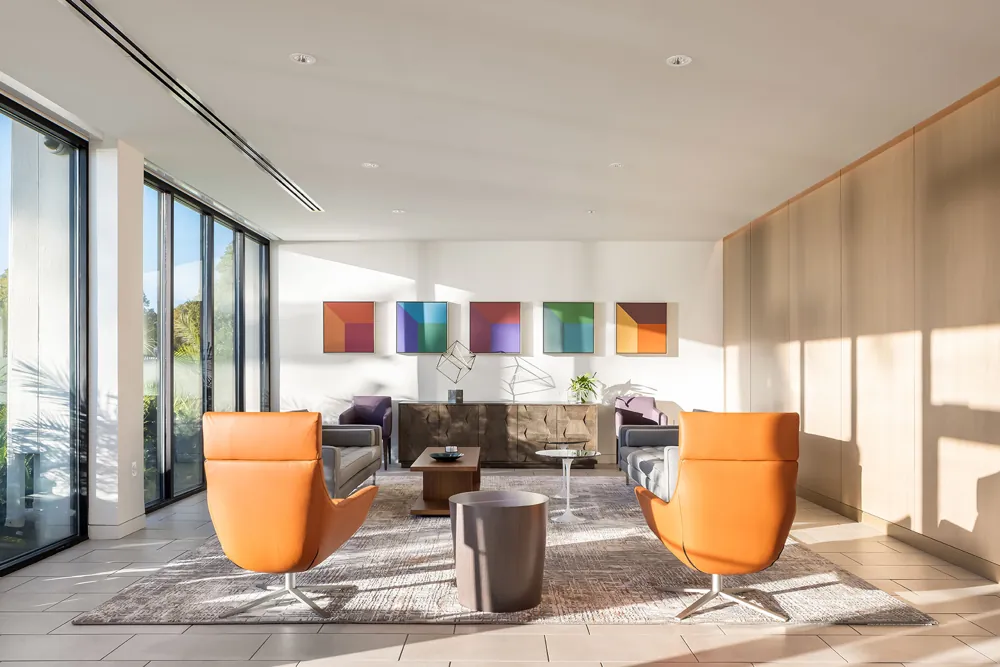
A hospitality construction company helps hotels, resorts, restaurants, and entertainment venues upgrade their spaces without allowing construction to interrupt daily operations more than necessary. The best projects begin with a plan that protects guest access, maintains safe and understandable public routes, coordinates disruptive work around service hours and occupancy, and returns completed areas to use in a clean, inspected, guest-ready condition. For hospitality owners, this creates a more reliable way to improve the property while preserving the comfort and operational flow that guests expect.
Renovation is often essential to keeping a hospitality property competitive. Guest rooms need refreshing, public spaces need to reflect changing expectations, restaurants need more efficient layouts, amenities need upgrades, and building systems need attention before aging conditions affect service. Yet the business cannot simply disappear while the work happens. Guests still arrive, staff still serve them, events still occur, meals still need to be prepared, and management still needs to protect revenue and reputation.
That is why active hospitality construction requires more than basic field supervision. It requires a contractor that understands the relationship between construction activity and the guest experience. The contractor needs to know which entrances, room blocks, amenities, dining areas, event spaces, service routes, and systems must remain available. It needs to coordinate trade partners, deliveries, temporary barriers, inspections, cleaning, safety procedures, and turnover milestones around the way the property actually functions.
At Magnum Builders, we use General Contracting, Construction Management, Design-Build, and preconstruction capabilities to organize complex commercial projects around these realities. We work with hospitality owners, operators, property managers, designers, and facility teams to define the scope, assess existing conditions, establish project controls, and develop a plan that supports both the renovation and the business operating around it.
Can a hotel renovate rooms and public spaces while remaining open?
A hotel can remain open during renovation when the contractor takes only defined room blocks or public areas offline at a time, protects guest and staff circulation, schedules noisy work around occupancy and events, and completes inspection, cleaning, and turnover before reopening each phase. The owner should plan the project around room inventory, food service, amenities, deliveries, housekeeping, and guest communications rather than treating construction as a separate activity.
Protea Hotels by Marriott described an Oudtshoorn hotel renovation designed to minimize guest impact by keeping the hotel open while closing only particular areas during specific phases of work. This demonstrates how targeted closures and phase-based sequencing can allow a hospitality property to improve without taking the entire operation offline.
A hospitality construction company plans and manages renovations, expansions, upgrades, and new construction for guest-facing commercial properties. The scope may include hotel guestrooms, lobbies, meeting rooms, restaurants, kitchens, bars, lounges, pools, spas, fitness areas, retail spaces, event venues, service corridors, exterior improvements, building-system upgrades, and larger resort developments. The contractor coordinates the people, materials, schedules, site conditions, safety requirements, and communication needed to take the work from planning through final turnover.
For an active property, the contractor’s role extends beyond construction production. The team has to organize how construction interacts with operations. That includes planning guest and staff routes, defining secure work zones, coordinating deliveries and waste removal, scheduling utility work, managing temporary signage, protecting adjacent finished areas, and communicating upcoming changes to property leadership. Every one of these details can affect whether guests experience the property as carefully managed or unnecessarily disrupted.
The contractor also serves as the central point of coordination for the project team. Hotel owners, operators, property managers, designers, engineers, brand representatives, food-and-beverage leaders, housekeeping, maintenance, security, event staff, subcontractors, suppliers, and inspectors may all affect the project. The contractor creates structure around this group through schedules, coordination meetings, look-ahead planning, decision tracking, field supervision, and clear responsibility for next steps.
Early planning is where much of the value is created. The contractor reviews the project scope, existing conditions, owner priorities, operating schedule, budget expectations, permit requirements, long-lead materials, and phasing options. This information allows the team to build a plan before construction activity creates pressure on the property. It also gives the owner a clearer view of what must be decided, ordered, or investigated to protect the schedule.
Hotels can often renovate while remaining operational, but the right answer depends on the scope, building conditions, life-safety requirements, available room inventory, event calendar, and the ability to separate guests from construction activity. Phased work is usually the most practical strategy because it allows the property to take limited areas offline while other rooms, public spaces, and amenities remain available. The objective is not to claim that every renovation can occur without disruption. It is to control disruption through deliberate planning.
Guestroom renovations are commonly phased by floor, wing, stack, or room block. The property can temporarily remove a defined group of rooms from inventory, complete the work, inspect and clean the area, and return it to service before moving to the next group. This approach gives management a more predictable view of available inventory, staffing needs, housekeeping coordination, and upcoming turnover dates.
Public-area renovations require a different type of phasing. A lobby, restaurant, event space, pool deck, fitness center, or amenity area may be too important to close for an extended period. The contractor can sequence work around parts of the space, create temporary routes, schedule disruptive tasks during lower-impact hours, or coordinate short, planned closures for activities that cannot be performed safely around guests. The best approach depends on the property’s business priorities and the technical requirements of the work.
There are times when a purposeful closure is the safer and more efficient choice. Major kitchen work, critical utility tie-ins, life-safety upgrades, structural changes, or extensive public-area renovation may require focused access that cannot be achieved while guests remain nearby. An experienced contractor helps the owner compare the cost and operational impact of a limited closure with the risks of extending a project through an occupied environment. The goal is to make a business decision with clear information, not to force an operating strategy that does not fit the project.
Hospitality renovations improve guest experience when they solve operational and experiential problems, not merely when they add new finishes. A refreshed guest room can improve comfort, functionality, accessibility, and the perceived quality of a stay. A redesigned lobby can make arrival, check-in, waiting, and circulation more intuitive. A restaurant upgrade can improve dining flow, seating, lighting, acoustics, kitchen performance, and service speed. A renovated pool, spa, fitness area, or meeting space can strengthen the reasons guests choose the property.
The most successful upgrades start with a clear understanding of how the property is used. Hotel owners and operators should consider where guests experience friction, which amenities are underperforming, how staff workflows affect service, and what existing systems are limiting the property. The contractor can help connect these operational concerns to practical construction solutions. This makes the renovation more likely to deliver lasting value rather than a short-term visual refresh.
Guest experience also depends on how the project is delivered. Guests will remember whether the property felt clean, navigable, and professionally operated during renovation. Temporary barriers, signage, access routes, work hours, and staff communication can shape that impression. A contractor that plans these conditions carefully helps the property protect its brand while changes are underway.
The hospitality industry’s Hotel Technology Next Generation workgroup has identified hotel technology renovation project management as a best-practice area, specifically noting the importance of minimizing delays from technology upgrades, completing projects within budget, and developing a technology plan for the hotel space. This reinforces the broader lesson that guest-facing renovations need coordinated planning across systems, operations, and project delivery rather than separate, disconnected upgrades. [web:97]
Phased construction protects operations and revenue by limiting the amount of the property affected at one time. Instead of treating the entire hotel, resort, restaurant, or entertainment venue as a single construction zone, the contractor divides the project into manageable work packages. Each phase has its own boundaries, access plan, schedule, safety controls, material needs, inspection requirements, cleaning procedures, and turnover criteria.
The phase plan should begin with the property’s highest priorities. A hotel may need to protect a certain number of rooms, preserve lobby access, keep meeting space available for booked events, or maintain a guest amenity that supports its brand. A restaurant may need to keep the kitchen operating, preserve dining capacity, maintain takeout access, or protect service during peak days. A resort may need to preserve pools, fitness areas, restaurants, or event spaces based on occupancy and seasonality. These requirements determine what can be renovated, when, and in what sequence.
Work-zone logistics are central to each phase. The contractor establishes secure barriers, protected circulation, delivery routes, material storage, debris removal, temporary signage, and worker access so that the construction area does not spill into the guest environment. It also coordinates noise, dust, vibration, and odors through scheduling and protective measures. These details are not cosmetic. They are how the property maintains safety, confidence, and service standards while the work is active.
Turnover is a formal milestone, not a casual handoff. Before an area returns to operation, the contractor confirms that required inspections are complete, work is clean, safety and quality checks are addressed, equipment is functioning as intended, and the property team has what it needs to use the space. This discipline gives owners more reliable dates for bookings, staffing, housekeeping, marketing, and guest communications.
Scheduling coordination is what turns a hospitality renovation from a collection of activities into a manageable business plan. The schedule must connect construction tasks to real operating conditions, including occupancy, group bookings, event calendars, restaurant service, deliveries, housekeeping, staffing, seasonal demand, access restrictions, permits, inspections, material lead times, and owner decisions. A schedule that only lists field production tasks will not protect the property’s operations.
The contractor begins by identifying the dates that matter most. A hotel may need rooms released before a holiday period, convention, or group arrival. A restaurant may need to complete work before a major event, high-demand weekend, or seasonal opening. A resort may need a specific amenity ready before peak occupancy. These requirements become fixed milestones, and the project team works backward to identify the decisions, procurement steps, trade work, inspections, and turnover activities needed to achieve them.
Long-lead procurement requires particular attention. Hotel room renovations, restaurant improvements, and resort projects may require custom millwork, specialty finishes, furniture, fixtures, lighting, kitchen equipment, doors and hardware, technology, mechanical equipment, and branded materials. If these items are not selected, approved, and ordered on time, they can delay a completed area from returning to service. The contractor tracks these items early and provides clear decision deadlines so the owner can protect the schedule.
Trade coordination keeps work moving in the field. Mechanical, electrical, plumbing, fire protection, framing, flooring, ceilings, millwork, finishes, technology, and specialty trades must arrive in the right order with the right materials and access. The contractor uses coordination meetings and near-term planning to verify that prerequisites are complete and work areas are ready. If an issue develops, the team can address it before it affects multiple phases or a critical turnover date.
Communication systems help hospitality staff support guests by giving them reliable information before conditions change. A front-desk employee cannot confidently direct a guest around an affected entrance without knowing what route is open. A restaurant manager cannot prepare service staff for a temporary dining-area change without a clear timeline. Housekeeping cannot adjust room-turnover plans without knowing which floors or blocks will be released. Construction communication therefore becomes part of operational continuity.
The contractor should establish a consistent update process that includes property leadership, facility management, and affected department heads. Near-term look-ahead information can identify upcoming work zones, noise periods, access changes, deliveries, shutdowns, inspections, and turnover dates. This gives leaders time to adjust staffing, communicate with guests, coordinate vendors, and prepare service teams for changes.
Information should be practical and easy to use. Staff do not need every construction detail, but they do need to know what affects their work and guests. The contractor and property team should agree on clear points of contact, escalation procedures, and methods for communicating urgent changes. This reduces confusion and prevents staff from being surprised by conditions they must explain to customers.
Communication also supports trust between the contractor and owner. Existing buildings can reveal unknown conditions, and projects sometimes require adjustments. A strong contractor communicates discoveries early, explains the potential impact, presents options, and documents decisions. Owners are better able to protect budget and schedule when they have clear information before a problem becomes a larger disruption.
Restaurant and entertainment venue upgrades require careful coordination because the construction work affects guest flow, food service, seating, staff operations, equipment, utilities, events, and revenue-producing hours. A restaurant project may include a kitchen renovation, bar update, dining-room refresh, patio expansion, restroom improvement, lighting change, point-of-sale upgrade, or new service layout. An entertainment venue may include seating, lobby, concession, backstage, restrooms, sound and lighting support, or public-access improvements.
Kitchen renovations demand detailed trade coordination. Electrical systems, plumbing, gas, ventilation, fire suppression, refrigeration, equipment installation, and health requirements must be planned as one integrated effort. The contractor brings specialty trades into the process early so system capacity, routing, installation sequence, and inspection needs are understood before work begins. This helps prevent late discoveries that can delay reopening.
For guest-facing spaces, construction has to respect service flow. The project may change where guests enter, wait, order, dine, use restrooms, or access entertainment areas. It may change how staff move between storage, kitchens, bars, service stations, seating, and back-of-house areas. A contractor that understands these relationships can help the design and construction plan support better operations after completion.
When the venue remains open, a planned work strategy is essential. That may include after-hours construction, defined temporary zones, limited workdays, temporary service models, or short closures for critical activities. The owner should understand how the schedule affects seating capacity, service hours, deliveries, utility access, staff routes, and guest communications. The right contractor makes those impacts visible early enough for the business to plan around them.
Design-Build and Construction Management can help hospitality owners create a more coordinated path through upgrades and renovations. Construction Management brings contractor expertise into planning, design coordination, estimating, schedule development, procurement, trade coordination, and field oversight. This is valuable when the property has operational constraints, an existing building with unknown conditions, phased work requirements, or a need for early budget and schedule guidance.
Design-Build combines design and construction under one integrated team. Instead of managing separate designers and contractors, the owner works with a coordinated group that can evaluate design decisions with cost, schedule, procurement, guest access, and construction logistics in view. This can simplify communication and help resolve questions earlier, before they create field delays or require late redesign.
Traditional General Contracting can also be the right fit when the design is complete and the owner needs disciplined execution in the field. The contractor organizes trade partners, manages procurement, leads site safety and quality, coordinates inspections, tracks progress, and maintains communication throughout construction. The best delivery method depends on the project’s scope, schedule, budget, design status, operational requirements, and governance structure.
At Magnum Builders, we provide General Contracting, Construction Management, Design-Build, preconstruction, and continuing contract services. This allows us to work with owners on a delivery approach that matches the real demands of the property, whether the project is a phased hotel renovation, restaurant improvement, resort amenity upgrade, entertainment venue refresh, or larger hospitality expansion.
Magnum Builders handles commercial projects that require coordinated construction leadership, including hotel and resort renovations, restaurant upgrades, hospitality-oriented tenant improvements, guestroom and public-area improvements, amenity renovations, meeting and event-space updates, building-system upgrades, and hospitality expansions. The exact scope varies, but the common requirement is the same: construction must be organized around an active property and the guests, staff, tenants, or visitors who depend on it.
Our broader project experience includes commercial, healthcare, aviation, government, educational, private, civil, and parks work. These sectors each involve different operational pressures, public access requirements, safety expectations, phased work conditions, and stakeholder groups. That breadth helps us bring practical coordination discipline to guest-facing hospitality environments where operations need to continue while construction progresses.
We begin with the project context. What needs to improve? What parts of the property must remain available? What dates are fixed? What systems require investigation? Which materials could affect procurement? What guest or staff routes need protection? What decisions need to be made early? By answering these questions before construction starts, we help owners develop a more complete plan for scope, budget, scheduling, phasing, communication, and turnover.
Hospitality upgrades can strengthen a property’s guest appeal, operational performance, service flow, and long-term value. The project is most successful when it is planned as an operational effort as well as a construction effort. That means defining what needs to remain active, sequencing the work around the property calendar, protecting guest and staff access, communicating changes clearly, and turning completed areas over in a clean, usable condition.
A hospitality construction company provides the structure required to make that happen. Through early planning, realistic scheduling, phased construction, trade coordination, guest-focused logistics, clear communication, and active field leadership, the contractor helps owners improve their properties while preserving the confidence of the people who use them every day.
If you are planning a hotel renovation, resort upgrade, restaurant improvement, entertainment venue refresh, or guest-facing commercial project, contact Magnum Builders to discuss your operating requirements, schedule priorities, and construction options. We can help create a project plan that keeps improvements moving without losing sight of the guest experience.
Contact Magnum Builders for Your Hotel Renovation

